Why I built Kilimani Lodge.
A Norwegian who kept coming back, a Jambiani man who never left, and one small compound between them.
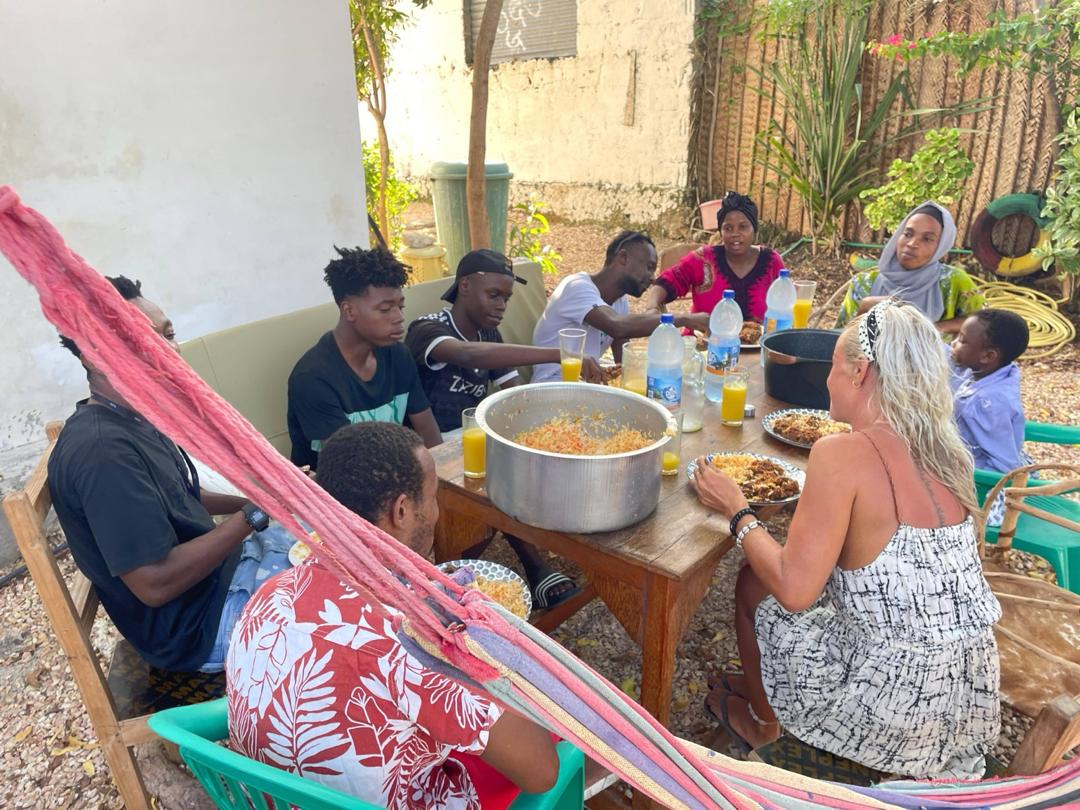
The first time I came to Jambiani I booked a room I could not really afford, and spent most of the week wondering what I was actually paying for. The ocean was free. The sand was free. The best meal I ate all week cost three dollars and was served on a plastic table by a woman who laughed at my Swahili.
I kept coming back. Every trip the same thought got louder: someone should build the version of this that is honest about what matters and skips the rest.
Meeting Haji
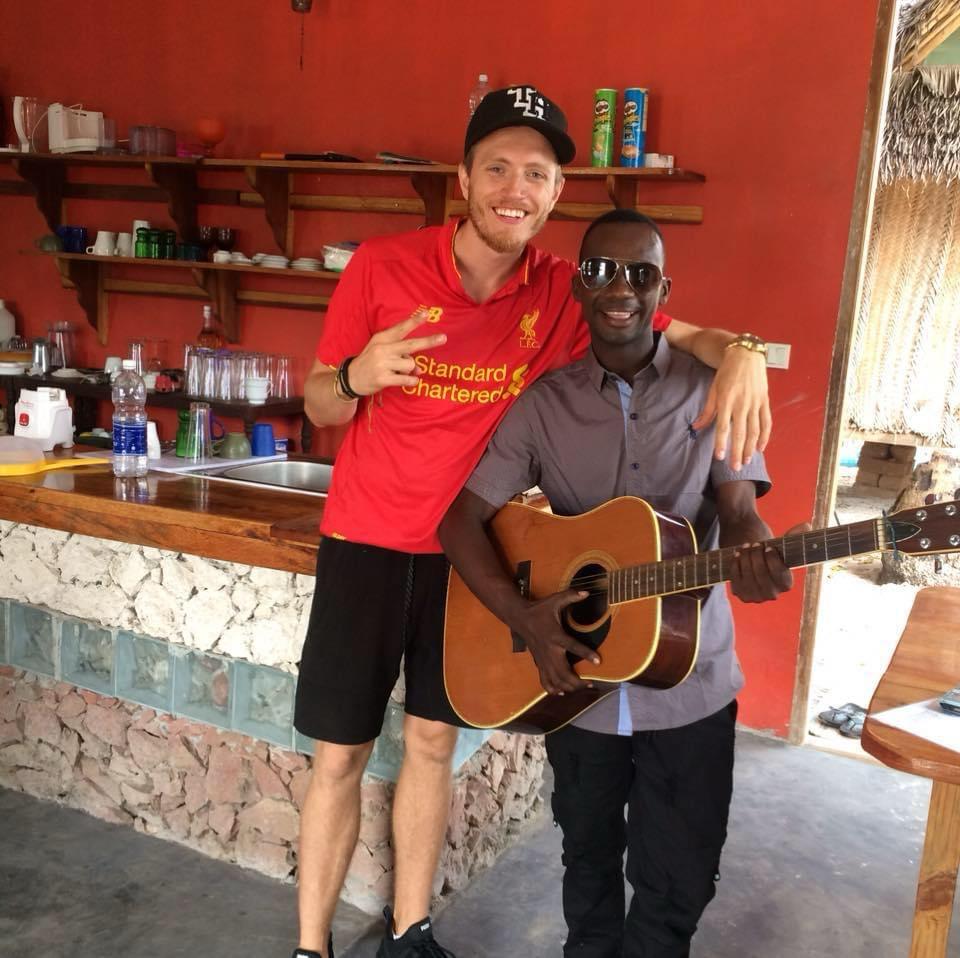
Haji was born in Jambiani and has never really left. He knows which captain treats his crew well, which spice farm is a family and which is a coach park, and what a piki piki should actually cost. He is the reason guests feel looked after rather than checked in.
I handle the website, the bookings, the payments and the emails from Norway. Haji handles everything that happens on the ground in Jambiani. Two people, one small compound, no middle layer.
What we decided to spend money on
- Privacy: your own unit, your own entrance, your own veranda.
- A full kitchen in both units, so food is not a daily tax.
- Real internet, 20 to 50 Mbps, with UPS backup for the power cuts.
- Beds, mosquito nets and bathrooms that are genuinely clean.
- A host who lives here and answers the phone.
What we decided to skip
No pool, no lobby, no buffet, no uniforms. Those things are lovely and they are also most of the bill. Skipping them is how a night here starts at $35 instead of $350, three hundred metres from the same water.
Booking direct
You can book us on Airbnb if that feels safer, and plenty of people do. Booking direct is the best value, because the platform fee simply is not there. You pay 30% now to hold the dates, and the rest in cash to Haji when you arrive.
That is the whole idea. Ninety percent of the holiday, a fraction of the price, and the money stays with the two people actually doing the work.